
Description
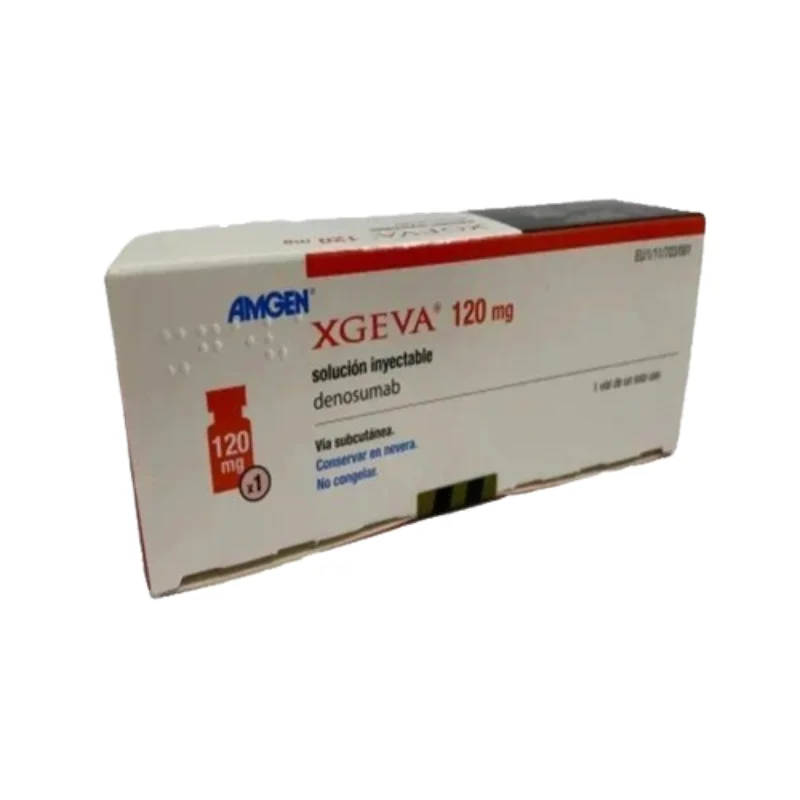
Xgeva Injection 120 mg – Your Trusted Solution for Bone Complications in Advanced Cancer
Xgeva Injection 120 mg (denosumab) is a clinically proven treatment for preventing bone complications in advanced cancer, giant cell tumor of the bone, and hypercalcemia of malignancy. At Ahmed Medico, you receive authentic medication, expert guidance, and reliable delivery across Pakistan.
For patients focused on osteoporosis management rather than cancer-related bone disease, treatment options such as prolia 60 mg price in pakistan may be prescribed under medical supervision.
What is Xgeva Injection?
Xgeva Injection 120 mg contains denosumab, a fully human monoclonal antibody designed to address serious bone complications in patients with advanced cancer. This medication is a vital option for those facing bone metastasis, giant cell tumor of the bone, or high calcium levels due to cancer.
Xgeva works by targeting the RANK ligand, a protein responsible for bone resorption, thereby reducing the risk of fractures, spinal cord compression, and the need for radiation therapy or bone surgery.
In hormone-related cancers such as prostate cancer, doctors may also consider therapies like zoladex 3.6 mg injection alongside Xgeva as part of a comprehensive treatment approach.
Key Benefits of Xgeva 120 mg Injection
- Prevents fractures and spinal cord compression in patients with bone metastases from solid tumors.
- Reduces the need for radiation therapy or bone surgery.
- Treats giant cell tumors of the bone when surgery is not possible or would cause severe complications.
- Controls hypercalcemia of malignancy when other treatments fail.
- Maintains bone strength and reduces pain in patients with advanced cancer.
How Does Xgeva Work?
Xgeva’s active ingredient, denosumab, binds to and neutralizes RANK ligand, a key factor in the formation and activity of osteoclasts (cells that break down bone). By blocking this pathway, Xgeva reduces bone resorption and helps maintain bone density, which is crucial for patients with cancer-related bone involvement.
Uses of Xgeva 120mg Injection
| Indication | Patient Population | Clinical Benefit |
| Bone metastases in advanced cancer | Solid tumor patients with bone involvement | Prevents fractures, spinal cord compression, SREs |
| Giant cell tumor of the bone | Adults/adolescents (unresectable cases) | Shrinks tumor, delays/avoids surgery |
| Hypercalcemia of malignancy | Cancer patients refractory to bisphosphonates | Lowers serum calcium, controls symptoms |
Recommended Dosage of Xgeva 120mg Injection
- Bone Metastasis & Multiple Myeloma: 120 mg subcutaneous injection every 4 weeks.
- Giant Cell Tumor of Bone & Hypercalcemia of Malignancy: 120 mg on days 1, 8, and 15 of the first month, then every 4 weeks.
- Administration: Healthcare professionals inject Xgeva under the skin (upper arm, thigh, or abdomen).
- Supplements: Take calcium and vitamin D supplements as directed to prevent low calcium levels.
Warnings and Precautions
- Low Calcium Levels in the Blood: Xgeva can cause severe hypocalcemia, especially in patients with renal impairment. Correct any calcium deficiency before starting, and monitor levels regularly.
- Osteonecrosis of the Jaw: Maintain good oral hygiene and avoid invasive dental procedures during treatment. Inform your dentist about Xgeva use.
- Unusual Thigh Bone Fractures: Report any new thigh, hip, or groin pain immediately.
- High Calcium Levels After Stopping Xgeva: Monitor for hypercalcemia, especially in patients with giant cell tumor of the bone.
- Renal Impairment: Increased risk of hypocalcemia; close monitoring is essential.
- Pregnancy and Breastfeeding: Xgeva can harm unborn babies and is not recommended during pregnancy or breastfeeding.
Possible Side Effects of Xgeva Injection
| Side Effect | Frequency/Notes |
| Hypocalcemia (low calcium) | Common; can be severe, especially in kidney patients |
| Hypophosphatemia (low phosphate) | Common |
| Osteonecrosis of the jaw | Rare but serious |
| Unusual thigh bone fractures | Rare, risk increases with long-term use |
| Fatigue, nausea, diarrhea, and back pain | Common |
| Mouth, teeth, or jaw problems | Possible |
| Serious infections, rash | Less common |
Always inform your healthcare provider about any new symptoms, especially muscle spasms, tingling, jaw pain, or unusual bone pain.
Drug Interactions and Special Considerations
- Other Medicines: Do not use Xgeva with other denosumab products (e.g., Prolia) or bisphosphonates.
- Alcohol: Moderate alcohol does not directly interact, but excessive use can worsen bone health.
- Liver and Kidney Patients: Caution is advised; kidney patients need closer calcium monitoring.
Product Composition
- Active Ingredient: Denosumab 120 mg per vial.
- Excipients: 4.6% sorbitol, sodium hydroxide (for pH adjustment), acetate, polysorbate 20, water for injection.
- Sorbitol: Patients with hereditary fructose intolerance should inform their doctor.
- Sodium: Minimal content, not clinically significant for most patients.
Buy Xgeva Injection 120 mg at Ahmed Medico
At Ahmed Medico, you receive authentic Xgeva injections with proper cold-chain storage and expert pharmacist support. We offer transparent Xgeva injection prices in Pakistan and ensure safe, reliable delivery to your doorstep. Contact us for the latest Xgeva 120 mg price in Pakistan and personalized assistance.
Frequently Asked Questions (FAQs)
How Xgeva works?
Xgeva contains denosumab, which binds to RANK ligand and blocks osteoclast activation. This action reduces bone destruction and helps maintain bone strength in patients with cancer-related bone complications.
How should you take Xgeva Injection?
A healthcare professional administers Xgeva as a subcutaneous injection every four weeks. The injection is given under the skin in the upper arm, thigh, or abdomen. Take calcium and vitamin D supplements as prescribed.
Can we use other medicines with Xgeva Injection?
Do not use Xgeva with other denosumab products or bisphosphonates. Always inform your doctor about all medicines and supplements you take before starting Xgeva.
Can an alcohol drinker take Xgeva Injection?
Moderate alcohol use does not directly interact with Xgeva. However, excessive alcohol can weaken bones and increase fall risk. Discuss your alcohol intake with your doctor before starting treatment.
Can you take Xgeva injection if you’re pregnant?
No, Xgeva can harm unborn babies. Women of childbearing age must use effective contraception during treatment and for five months after the last dose. Do not use during pregnancy or breastfeeding.
What is Xgeva Injection?
Xgeva is a prescription medicine containing denosumab, used to prevent bone complications in cancer, treat giant cell tumors of the bone, and manage hypercalcemia of malignancy.
Can I buy Xgeva 120mg injection online in Pakistan?
Yes, you can buy Xgeva injection from licensed online pharmacies like Ahmed Medico. Ensure you have a valid prescription and that the pharmacy maintains proper cold storage.
Does Xgeva Injection contain Sorbitol?
Yes, Xgeva contains 4.6% sorbitol. Patients with hereditary fructose intolerance should inform their healthcare provider before starting treatment.
Does Xgeva injection contain sodium?
Xgeva contains minimal sodium hydroxide for pH adjustment. The sodium content is not clinically significant for most patients.
What if you forget to use Xgeva injection?
Contact your healthcare provider immediately if you miss a dose. Do not double up or change your schedule without medical advice.
What if you stop using Xgeva injection?
Stopping Xgeva may increase your risk of multiple vertebral fractures and high calcium levels, especially in giant cell tumor patients. Your doctor will monitor you and may suggest alternative therapy.
Can I take Xgeva injection before driving?
Xgeva does not usually affect your ability to drive. If you feel dizzy or fatigued after the injection, avoid driving until you feel well.
Does Xgeva injection affect liver patients?
Limited data exists for liver impairment. Your doctor will assess risks and may increase monitoring if you have liver disease.
Does Xgeva injection affect kidney patients?
Patients with severe kidney impairment have a higher risk of low calcium and need more frequent monitoring. Dosage adjustment is not usually required, but close supervision is essential.