Osteoporosis quietly weakens your bones over time without making its presence known. You won’t experience a headache, fever, or any obvious discomfort that signals something is wrong. This is precisely why doctors call it the “silent disease.” By the time you notice a problem, your bones may already be dangerously fragile.
The statistics paint a concerning picture: roughly 1 in 2 women over 50 will face an osteoporotic fracture in their lifetime. Women face a four times higher risk than men, primarily because estrogen levels plummet during menopause. This hormonal shift accelerates bone loss dramatically, leaving your skeletal system vulnerable when you need it most.
Considering the early warning signs of osteoporosis can change everything. When you catch this condition before fractures occur, you have the power to slow bone loss, strengthen your existing bone tissue, and protect your long-term mobility. Let’s explore the subtle symptoms that your body uses to signal declining bone health.
What is Osteoporosis in Women?
Your bones are living tissue that constantly breaks down and rebuilds throughout your life. Until about age 30, your body naturally creates more bone than it loses. After 35, this process reverses, and bone breakdown happens faster than your body can naturally replace it.
Osteoporosis develops when this bone loss becomes severe. The term literally means “porous bones,” and it describes exactly what happens inside your skeletal system. Your bones become thin, weak, and riddled with tiny holes that make them brittle enough to break from minor stress.
Women experience this condition more severely than men for several biological reasons. You naturally have smaller, thinner bones to begin with. Pregnancy and breastfeeding can temporarily reduce bone density. Most significantly, the sharp drop in estrogen after menopause accelerates bone loss at an alarming rate. This hormone plays a crucial role in protecting bone density, and when it disappears, your bones lose their primary defender.
10 Early Osteoporosis Symptoms in Females You Shouldn’t Ignore
1. Frequent Back Pain Without Clear Injury
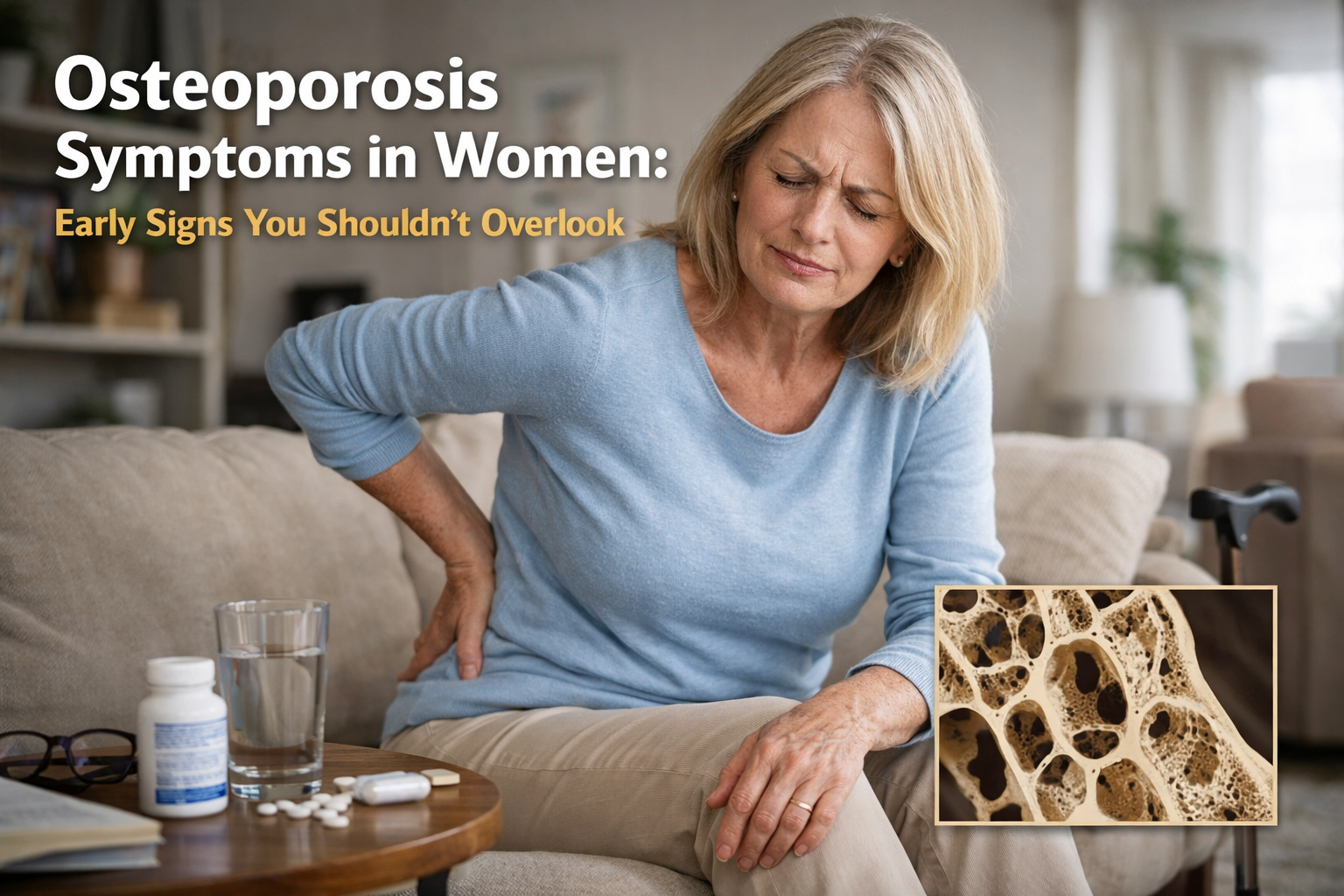
Persistent back pain that appears without explanation often serves as one of the first osteoporosis symptoms. This discomfort results from tiny compression fractures in your spine, fractures so small you might not even know they’ve occurred.
These vertebral fractures happen because your weakened bones can no longer support your body’s weight. You might experience sudden sharp pain or chronic aching in your lower or mid-back. What makes this particularly concerning is that these fractures can occur from simple activities like bending forward, lifting a light object, or even just sitting incorrectly.
2. Gradual Loss of Height Over Time
Have you noticed your pants seem longer than they used to be? Losing more than an inch of height signals that your spinal bones are compressing. This happens as multiple small fractures accumulate in your vertebrae, causing your spine to shorten.
Many women dismiss this change as normal aging, but it’s actually one of the most reliable early warning signs of osteoporosis. Your clothes fitting differently, especially around your torso, can be the first clue that something has changed.
3. Stooped or Rounded Posture
A hunched upper back, sometimes called a “dowager’s hump”, develops when weakened vertebrae collapse forward. This creates a visible curve in your spine that becomes more pronounced over time.
What starts as a slight slouch can progress into severe kyphosis if left untreated. Beyond the cosmetic concerns, this postural change can compress your lungs and stomach, making breathing and digestion more difficult in advanced cases.
4. Fractures From Minor Falls or Stress
Breaking a bone from minimal impact is a major red flag. When you have osteoporosis, your bones become so fragile that even mild stress causes fractures. A simple slip on the carpet, bumping into furniture, or, in severe cases, a strong cough can result in broken bones.
These fragility fractures commonly affect your wrist, hip, or spine. If you’ve experienced a fracture that seemed disproportionate to the cause, your bone density deserves immediate attention. Multiple fractures over a short period are especially concerning and often lead to an osteoporosis diagnosis.
5. Weak Grip Strength
Struggling to open jars, carry grocery bags, or hold objects firmly might seem unrelated to bone health, but reduced grip strength actually correlates with lower bone mineral density. Your bones and muscles work together as a system, and when bones weaken, muscle strength often declines too.
Research shows that hand-grip weakness in older women is associated with higher fracture risk. You might notice daily tasks requiring grip becoming increasingly difficult, a subtle but important signal that your musculoskeletal health needs evaluation.
6. Receding Gums and Tooth Loss
Bone loss doesn’t only affect your spine and hips. Your jawbone can also lose density, causing your gums to recede and teeth to loosen. As the bone supporting your teeth weakens, dental problems multiply.
Your dentist may actually spot this sign during routine check-ups before you notice it yourself. If you’re experiencing unexplained dental issues alongside other symptoms, mention this to your doctor; it could indicate systemic bone loss throughout your body.
7. Brittle or Weak Nails
Nails that break easily, peel frequently, or seem unusually fragile might reflect the same mineral deficiencies affecting your bones. Low calcium and vitamin D levels contribute to both nail fragility and bone thinning.
While brittle nails alone don’t confirm osteoporosis, they can serve as an early indicator when combined with other symptoms. Pay attention to changes in your nail health, especially if you’re postmenopausal.
8. Balance Problems and Frequent Falls
Poor balance increases your fracture risk dramatically, particularly when combined with weakened bones. Osteoporosis can impact coordination through skeletal instability and accompanying muscle weakness.
If you find yourself stumbling more often or feeling unsteady on your feet, take this seriously. Falls are the primary cause of osteoporotic fractures, and the combination of weak bones and poor balance creates a dangerous situation.
9. Chronic Fatigue or Reduced Mobility
Osteoporosis can indirectly cause exhaustion through persistent pain, postural strain, and limited movement. When chronic discomfort affects your daily activities, you naturally become less active, which unfortunately accelerates bone degradation further.
This creates a harmful cycle: pain reduces activity, inactivity weakens bones, and weaker bones cause more pain. Breaking this cycle requires early intervention and appropriate treatment.
10. Family History of Osteoporosis
While family history isn’t a symptom, it’s a critical risk factor you absolutely cannot ignore. Genetics significantly influence your bone density, calcium absorption, and fracture susceptibility.
If your mother or father experienced hip fractures or was diagnosed with osteoporosis, your risk increases substantially. This genetic predisposition means you should pursue early bone screening even if you don’t have other symptoms.
Who Faces the Highest Risk?
Beyond recognizing osteoporosis symptoms, understanding your risk factors helps determine if you need earlier screening. Several factors can significantly increase your chances of developing this condition:
Age and Hormonal Factors:
- Postmenopausal women, especially those who experienced early menopause before age 45
- Women over 50 years old
- Women with irregular periods or a history of amenorrhea
Physical Characteristics:
- Small or thin body frame with naturally lower bone mass
- Low body weight (BMI under 20)
- White or Asian descent
Lifestyle Choices:
- Smoking or tobacco use that accelerates bone loss
- Excessive alcohol consumption (more than two drinks per day)
- A sedentary lifestyle that prevents bone-strengthening stimulus
- Low calcium and vitamin D intake
Medical Conditions:
- Thyroid disorders or hyperthyroidism
- Rheumatoid arthritis
- Celiac disease
- Inflammatory bowel disease
- Kidney or liver disease
- Diabetes
- Cancer or multiple myeloma
Medications:
- Long-term corticosteroid use (prednisone, cortisone)
- Proton pump inhibitors for acid reflux
- Seizure medications
- Blood thinners
- Certain cancer treatments
Family History:
- Parent or sibling with osteoporosis
- Family history of hip fractures
How Doctors Diagnose Osteoporosis
Your healthcare provider diagnoses osteoporosis through bone density testing, most commonly using a DEXA scan. This painless test uses low levels of X-rays to measure calcium and mineral content in your bones, similar to a regular X-ray but specifically designed to assess bone strength.
The scan produces a T-score that compares your bone density to that of a healthy young adult. A T-score of -2.5 or lower confirms osteoporosis. Scores between -1 and -2.5 indicate osteopenia, which shows your bone density is lower than normal but not yet at osteoporosis levels.
All women aged 65 and older should receive bone density screening. If you’re younger but have significant risk factors, like early menopause, family history, or extended corticosteroid use, talk with your doctor about earlier testing.
Osteoporosis Prevention and Treatment
Building Strong Bones Through Nutrition
Calcium and vitamin D form the foundation of osteoporosis prevention. Women over 50 need 1,200 milligrams of calcium regularly through diet or supplements. Good sources include low-fat dairy products, dark leafy greens, canned salmon with bones, and calcium-fortified cereals.
Vitamin D helps your body absorb calcium effectively. You need at least 600 to 800 international units daily, obtained through sunlight exposure, fatty fish like salmon and trout, or supplements.
Exercise That Protects Your Bones
Weight-bearing exercise stimulates bone formation and slows bone loss. Walking, jogging, dancing, and stair climbing all force your bones to work against gravity, triggering the rebuilding process. Aim for 30 minutes of weight-bearing activity most days.
Strength training builds muscle mass that supports and protects your bones. Resistance exercises help strengthen your arms, upper spine, and core. Balance exercises like tai chi and yoga reduce your fall risk, particularly important as you age.
Osteoporosis Medications
When lifestyle changes aren’t enough, osteoporosis treatment often includes medications. Bisphosphonates like alendronate slow bone breakdown and reduce fracture risk. These are typically the first-line osteoporosis medications doctors prescribe.
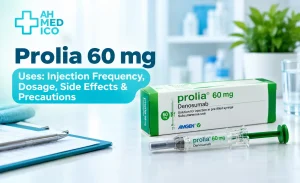
For more severe cases or when bisphosphonates aren’t suitable, your doctor might recommend Prolia 60 mg, an injection given twice yearly that helps prevent bone loss. Another option, Xgeva 120 mg, is used in specific situations to protect bone strength.
Hormone replacement therapy can help postmenopausal women maintain bone density, though it’s not suitable for everyone. Your healthcare provider will create a personalized treatment plan based on your bone density, age, and specific risk factors.
Lifestyle Changes That Make a Difference
Quit smoking immediately, as tobacco use accelerates bone loss and increases fracture risk. Limit alcohol consumption to one drink per day, maximum. Make your home safer by removing tripping hazards, installing grab bars in bathrooms, and ensuring adequate lighting throughout.
When to See Your Doctor
Don’t wait for a fracture to take action. Contact your healthcare provider if you’ve noticed height loss, developed back pain without a clear cause, or experienced a fracture from minor impact. Women who reach menopause early, have irregular periods, or possess multiple risk factors should request bone density testing even before symptoms appear.
Early diagnosis makes all the difference in managing osteoporosis effectively. The sooner you identify and address bone loss, the better your chances of preventing the devastating fractures that can rob you of independence and mobility.
Conclusion
Osteoporosis develops silently, but your body provides warning signals if you know what to watch for. Back pain, posture changes, height loss, and unexpected fractures all deserve your attention, especially if you’re postmenopausal or have other risk factors.
With proper nutrition, regular exercise, and medical treatment when necessary, you can maintain strong bones well into your later years. Remember that osteoporosis isn’t an inevitable part of aging. Take control of your bone health today by discussing screening with your doctor. Your future mobility and independence depend on the actions you take right now.
Frequently Asked Questions
What are the best exercises for osteoporosis?
Weight-bearing exercises like walking, jogging, and dancing strengthen bones by making them work against gravity. Strength training with weights builds muscle that supports your skeleton. Balance exercises such as tai chi and yoga help prevent falls and reduce fracture risk.
How bad can osteoporosis get?
Severe osteoporosis can lead to debilitating fractures that cause chronic pain, disability, and loss of independence. Hip fractures particularly carry a high mortality risk, with approximately 20% of patients dying within a year. Spinal fractures can cause permanent height loss and breathing difficulties.
Can you have pain with osteoporosis?
Osteoporosis itself doesn’t cause pain in the early stages. However, compression fractures in your spine create sudden or chronic back pain. Once fractures occur, you may experience persistent discomfort, muscle strain from postural changes, and reduced mobility that impacts your quality of life.
What is the life expectancy of osteoporosis patients?
Osteoporosis alone doesn’t reduce life expectancy significantly. However, complications from fractures, especially hip fractures, can increase mortality risk. With proper treatment, exercise, and fall prevention, most people with osteoporosis maintain normal life expectancies. Early diagnosis and consistent management are key to positive outcomes.